본문 바로가기 대메뉴 바로가기

한밭대학교

HIGHHANBAT

Edu & Research

게시물 검색
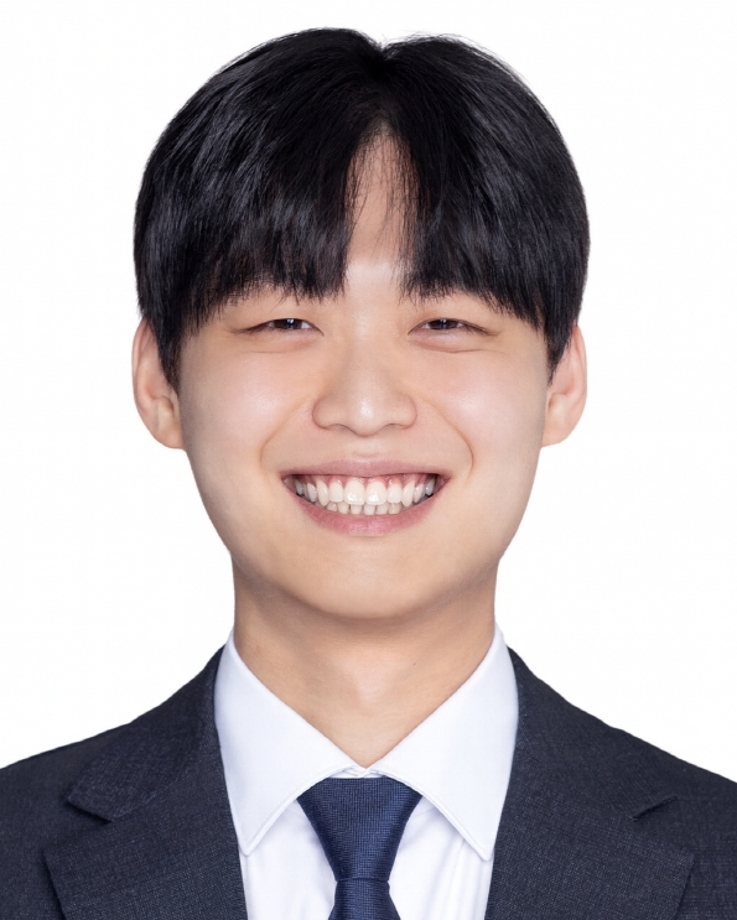
Creative Convergence Undergraduate Student Cho Yoon-seo Publishes First Author Paper in Prestigious IEEE International Journal 이미지
Creative Convergence Undergraduate Student Cho Yoon-seo Publishes First Author Paper in Prestigious IEEE International Journal
  • 작성자기획과
  • 조회수39
  • - Developing safety operation control technology for autonomous driving hydrogen fuel cell energy systems- A remarkable achievement where an undergraduate student led research as first author in a prestigious IEEE international journal□ Hanbat National University (President Oh Yong-jun) announced that a paper in which 4th year student Cho Yoon-seo of the Department of Creative Convergence participated as first author was published in 'IEEE Journal of Emerging and Selected Topics in Industrial Electronics (JESTIE), a prestigious international journal of theIEEE (Institute of Electrical and Electronics Engineers).○ JESTIE is an IEEE international academic journal covering the latest technologies and convergence research in industrial electronics, ranking within the top 30% with an Impact Factor of 4.9 and placed in approximately the top 26% of the electrical and electronic engineering category based on recently released JCR indicators.□ This paper, titled 'A Hierarchical State Based Control Architecture for Safe Operation of PEMFC Energy Systems in Autonomous Agricultural Robots', proposed control technology for stable operation and rapid fault response of hydrogen fuel cell systems applied to unmanned vehicles.○ Student Cho Yoon-seo structurally separated the normal operation xss-layer and the protection xss-layer, and designed a hierarchical architecture that controls the system based on 6 operating states: standby, preparation, normal operation, stop, fault, and emergency shutdown.○ In particular, stack temperature, current, hydrogen supply pressure, and hydrogen concentration are monitored in parallel across all operating states, configured so that fault protection and emergency shutdown operations take priority over normal operation if abnormal conditions occur.○ The research team implemented the proposed control technology in a microcontroller unit (MCU) based controller with limited computing and memory resources, and experimentally verified it using a 1 kW open cathode polymer electrolyte membrane fuel cell (PEMFC) stack.○ In tests gradually increasing the load up to 16 A, steady state transitions were performed stably, and functions such as 100 ms SCU operation, transient fault signal removal, persistent fault detection, and recovery after checking safety conditions were repeatedly confirmed.□ This achievement holds great significance in that student Cho Yoon-seo led the overall research during undergraduate studiesfrom control architecture design to xss-embedded system implementation, fuel cell stack experimentation, and result analysisand developed it into a first author paper in an IEEE international journal ranked in the top 30% of JCR.○ It is a rare case for an undergraduate student to serve as first author in research conducted with professional researchers and publish a paper in an influential IEEE international journal, demonstrating student Cho Yoon-seo's outstanding research capability and growth potential.○ In particular, this study is the result of student Cho Yoon-seo directly participating in the Korea Institute of Machinery and Materials' hydrogen fuel cell based autonomous robot development project, designing an energy system control architecture based on operational and safety requirements derived from actual development sites, and verifying performance through hardware implementation and fuel cell stack testing.○ This is evaluated as a case that secured both the practicality of research achievements and applicability to industrial sites by defining problems of actual systems and implementing solutions beyond mere theoretical research.□ Student Cho Yoon-seo said, "It is very meaningful that the research conducted during undergraduate studies led to publication in an IEEE international journal, and I want to continue researching practical technologies that can be applied to industrial fields in the future.□ Advising Professor Park Jeong-eon of the Department of Creative Convergence said, "Student Cho Yoon-seo analyzed system problems independently and faithfully carried out the entire research process from control algorithm design to hardware implementation and experimental verification," adding, "In particular, when faced with unexpected technical problems, the student demonstrated outstanding concentration and problem solving capability in structurally analyzing causes, establishing hypotheses independently, and verifying them repeatedly.○ He added, "Based on this achievement, I expect the student will grow into an outstanding researcher in fuel cell energy systems and autonomous mobile vehicle control fields.□ Meanwhile, this paper was published online on the 12th in the IEEE international journal(https://ieeexplore.ieee.org/document/11652894)
  • 등록일2026-08-19 17:40:37
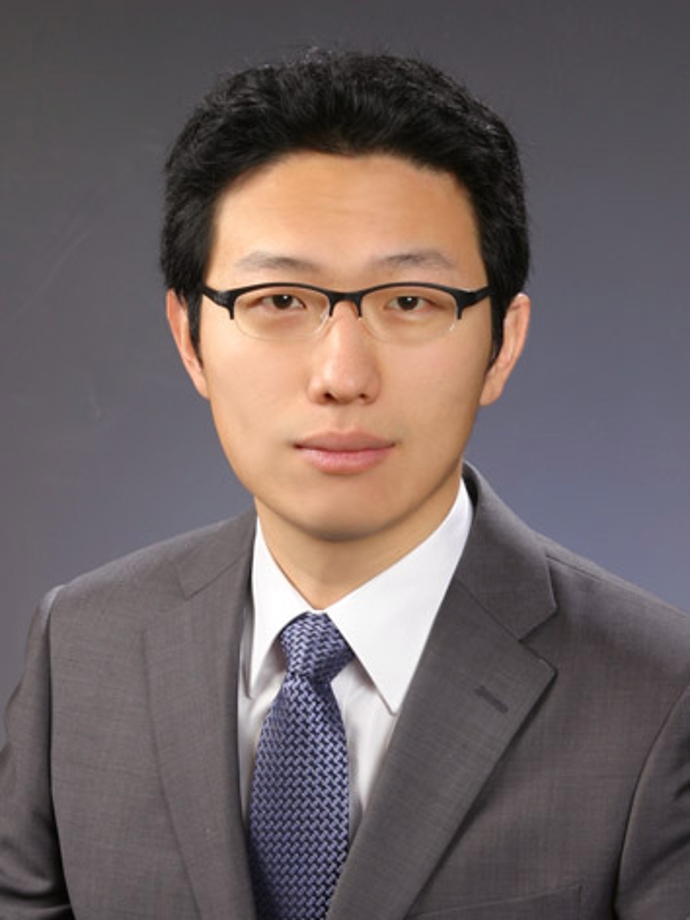
Professor Lee Jae-hyun of the Department of Creative Convergence Proposes New Interface Design Strategy to Simultaneously Improve OLED Efficiency and Lifespan 이미지
Professor Lee Jae-hyun of the Department of Creative Convergence Proposes New Interface Design Strategy to Simultaneously Improve OLED Efficiency and Lifespan
  • 작성자기획과
  • 조회수34
  • - Improved reliability of OLED displays expected to drive widespread adoption not only in small smart devices but also in equipment such as monitors□ Hanbat National University (President Oh Yong-jun) announced that a joint research paper in which Professor Lee Jae-hyun of the Department of Creative Convergence participated as corresponding author was published online in 'Chemical Engineering Journal' (Impact Factor 12.5), an internationally renowned academic journal published by Elsevier, a global science and technology publisher.○ Titled "Negative giant surface potential engineering for suppressing exciton polaron quenching in organic light emitting diodes", this paper had Hanbat National University's Park Jae-yong, Samsung Electronics SAIT's Lee Yeon-gyeong, and Hanbat National University Key Research Institute Project Group researcher Choi Young-wook participate as joint first authors, while Dr. Kim Jong-soo of Samsung Electronics SAIT and Professor Lee Jae-hyun of Hanbat National University participated as joint corresponding authors.□ Through this study, the research team identified the key cause that simultaneously reduces OLED efficiency and lifespan, and proposed a new interface design strategy to control it.○ Giant Surface Potential (GSP) is formed due to Spontaneous Orientation Polarization (SOP) inside OLEDs, which causes excessive holes to accumulate around the emitting xss-layer, resulting in exciton polaron quenching (EPQ).○ Such EPQ is known to be a major cause of reducing the luminous efficiency and long term reliability of OLEDs.○ The research team proposed a new OLED design strategy to precisely control interface charges by introducing an Electron Blocking xss-layer (EBL) with a negative (-) GSP.○ In addition, through diverse electrical and optical analyses, the team systematically identified the mechanism of interface charge accumulation and EPQ occurrence, confirming that while an EBL with an appropriate magnitude of negative GSP suppresses unnecessary hole accumulation to reduce EPQ and improve efficiency and operational stability, an EBL with an excessively large negative GSP excessively suppresses hole injection instead, which can degrade OLED performance.○ Through this, the team presented optimal GSP design criteria for improving OLED performance; in particular, OLEDs applying the optimal negative GSP proposed by the research team showed an improvement in operational lifetime (LT95) of about 119.5% compared to the reference device, demonstrating the achievement of simultaneously improving efficiency and operational lifespan.○ The results of this study are expected to be utilized not only for OLEDs but also for interface design technologies of diverse optoelectronic devices based on organic semiconductors.□ Professor Lee Jae-hyun stated, "This study experimentally identified that exciton polaron quenching, the fundamental cause of optical energy loss, can be effectively suppressed by precisely controlling interface charge behavior inside OLEDs," adding, "We expect it will be utilized as a new design strategy to enhance the efficiency and reliability of diverse organic optoelectronic devices going forward."□ Meanwhile, this study was conducted as a joint research project with Samsung Electronics SAIT, and was supported by the [Ministry of Education and National Research Foundation of Korea / Key Research Institute Support Project (2018R1A6A1A03026005); Active Printed Electronics Systems Using Hybrid 3D Printing] and the [Ministry of Science and ICT and National Research Foundation of Korea Basic Research Project (RS-2024-00359103); Identification of Electron Spin Behavior and Applications Through Development of Electroluminescent Magnetic Resonance Devices].
  • 등록일2026-08-11 17:37:51
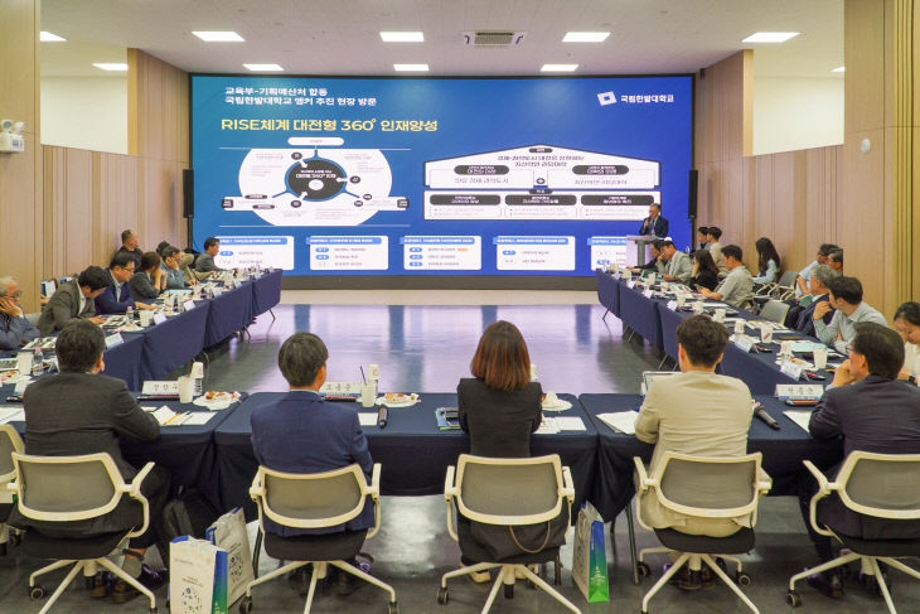
Hanbat National University Receives 'Grade A' in the First-Year Evaluation of Daejeon RISE Project 이미지
Hanbat National University Receives 'Grade A' in the First-Year Evaluation of Daejeon RISE Project
  • 작성자기획과
  • 조회수153
  • - Organically linking university long term development plan with Daejeon City ANCHOR project goals- Recognizing industry academic cooperation results including opening of joint AI semiconductor microdegree and 36.6% increase in joint research papers with national research institutes□ Hanbat National University (President Oh Yong-jun) ANCHOR (formerly RISE) Project Group announced on the 23rd that it achieved 'Grade A' in the first-year performance evaluation of the Daejeon Metropolitan City RISE project.○ Hanbat National University received high marks for organically linking its long term development plan, 'Regional Industry University Research Integrated Innovation Platform University', with the goals of the Daejeon ANCHOR (formerly RISE) project, and for promoting the project based on a systematic analysis of regional strategic industries and the youth employment environment.○ In particular, the university was positively recognized for successfully building an education and research foundation for the transition to the ANCHOR system, including the College of AI Convergence, advanced departments, and the Convergence Research Institute.□ Looking at the results of detailed unit tasks, in the field of nurturing future talent, a joint AI semiconductor microdegree course with 4 broad regional universities was newly established to lay the foundation for training talent in strategic industries.○ Also, through the phased operation of field training and Capstone Design, the university achieved a 53% rate of company connected Capstone Design and newly introduced Capstone Design linked with national research institutes.○ In the field of research cooperation with national research institutes, the university introduced and operated an 'Analyst System' to analyze ties between strategic industries and national research institutes, leading to a 36.6% increase in joint research papers compared to the three-year average before the RISE project.○ Finally, in the field of industrial workforce retraining, the Hanbat Employee Education Center 'H AWTA' was established, and previously dispersed employee education programs were integrated and operated, producing a total of 944 graduates.○ In addition, in the fields of intercollegiate educational cooperation, regional startups, and solving local issues, a cooperative system where universities, national research institutes, companies, and local communities participate together was established.○ Starting from the second year, the Hanbat National University ANCHOR Project Group plans to advance the project centering on student growth and broad regional cooperation by introducing an AI powered student growth tracking system and establishing a Space and Defense Research Center and an ANCHOR Equipment Support Center.□ Hanbat National University ANCHOR Project Group Head Woo Seung-han said, "This acquisition of Grade A is a result achieved through cooperation among the university, national research institutes, companies, and the local community." He added, "Based on the industry academic cooperation capabilities accumulated by Hanbat National University, we will work harder to expand real results leading to student growth and regional settlement."
  • 등록일2026-07-23 13:14:26
Professor Hong Ki-ha's Research Team in the Department of Materials Science and Engineering Selected for 2026 Basic Research Laboratory (BRL) Support Project 이미지
Professor Hong Ki-ha's Research Team in the Department of Materials Science and Engineering Selected for 2026 Basic Research Laboratory (BRL) Support Project
  • 작성자기획과
  • 조회수141
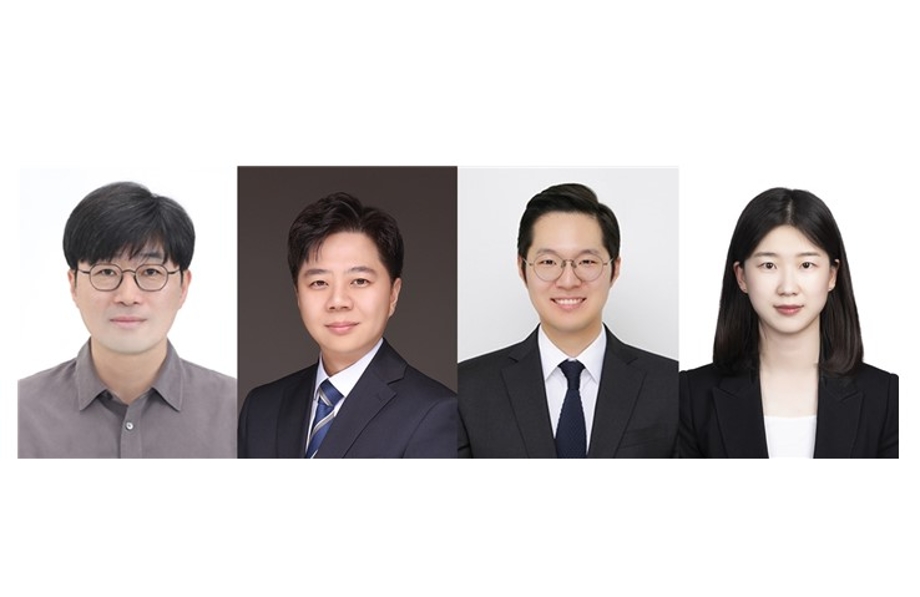
  • Photo Description: Hanbat National University research team participating in the '2026 Basic Research Laboratory Support Project' (From left, Hanbat National University Department of Materials Science and Engineering Professors Hong Ki-ha, Kim Jeong-hwan, Koo Kyo-jin, and Department of Chemical and Biological Engineering Professor Park Je-hee)- Conducting research on the development of cathode materials for next generation sodium secondary batteries combining AI and new processes□ Hanbat National University begins research on the development of cathode materials for next generation sodium secondary batteries combining AI and new processes.□ Hanbat National University (President Oh Yong-jun) announced that the research team of Professor Hong Ki-ha from the Department of Materials Science and Engineering was finally selected for the '2026 Basic Research Laboratory (BRL) Support Project' organized by the Ministry of Science and ICT and the National Research Foundation of Korea, receiving a total of 1.5 billion won in research funds for 3 years from July 2026 to June 2029.○ The Basic Research Laboratory Support Project is a representative collective research project that supports outstanding researchers in forming research groups to conduct creative and challenging basic research.□ The research team of Professor Hong Ki-ha (Principal Investigator) from the Department of Materials Science and Engineering at Hanbat National University includes Professors Koo Kyo-jin and Kim Jeong-hwan from the same department and Professor Park Je-hee from the Department of Chemical and Biological Engineering, and was selected under the theme of 'Rapid Development Study of Novel High Entropy Na DRX Cathode Materials Based on AI' in this project.○ While currently widely used lithium ion batteries offer excellent performance, price volatility and supply instability of lithium resources have been continuously pointed out as problems, whereas sodium is abundant on Earth and low in cost, attracting attention as a core material for next generation low cost secondary batteries.○ However, there are still many tasks to be resolved for sodium secondary batteries to be commercialized, and in particular, the fact that a standard cathode material satisfying both price and performance like the LFP cathode material of lithium ion batteries has not yet been established is cited as the biggest limitation.□ To solve the problem of the absence of standard cathode materials, which is the core challenge of sodium secondary batteries, Professor Hong Ki-ha's joint research team aimed to pioneer a new material group called high entropy sodium disordered rocksalt (DRX) cathode material.○ This research is conducted through the organic collaboration of 4 specialized research teams covering the entire material development cycle, including material design (Hong Ki-ha), high speed synthesis (Koo Kyo-jin), structural analysis and electrochemistry (Park Je-hee), and ALD interface control (Kim Jeong-hwan), and the development outcomes are expected to expand into electrode material design principles applicable not only to sodium secondary batteries but also across next generation energy storage systems such as lithium and potassium.○ A research team official said, "We will systematically identify new design principles for sodium secondary battery cathode materials and develop them into AI based material development technology to present a new paradigm in the future next generation secondary battery market."
  • 등록일2026-07-03 11:28:16
Professor Kim Min-hoe of the Department of Creative Convergence Engineering Presents Design Criteria for Polymer Tunneling Layers for Organic Memory Devices 이미지
Professor Kim Min-hoe of the Department of Creative Convergence Engineering Presents Design Criteria for Polymer Tunneling Layers for Organic Memory Devices
  • 작성자기획과
  • 조회수200
  • - Demonstrating the potential to improve organic memory performance through polymer structure systematization□ Hanbat National University (President Oh Yong-jun) announced on the 25th that a co-authored research paper in which Professor Kim Min-hoe from the Department of Creative Convergence Engineering participated as a corresponding author was published online in 'Materials Horizons (Impact Factor 11.4) an internationally renowned academic journal published by the Royal Society of Chemistry in the United Kingdom.○ This study was conducted under the paper title of 'Molecule-in-Memory: A Multiscale Guideline for Polymeric Tunnelling xss-layers Linking Molecular Motifs to Electrical Outcomes' and Professor Kim Min-hoe and Professor Yuji Shibasaki a co-researcher from Iwate University in Japan participated as corresponding authors.□ The research team presented design criteria for a polymer tunneling xss-layer that plays a key role in electric field-based charge-storage organic non-volatile memory.○ Organic charge-trap memory is drawing attention as a promising technology for implementing next-generation flexible and low-power electronic devices. However, systematic design guidelines linking the molecular structure of the polymer tunneling xss-layer to actual device performance have been lacking until now.○ Especially, while previous studies have focused on optimizing individual physical properties -such as dielectric constant, charge mobility, trap density and leakage current, this study suggested that the electrical characteristics of the polymer tunneling xss-layer are determined not by a single physical property but by the interrelationships of multiple physical and chemical factors.○ Through this approach, the team analyzed the process by which molecular-level structural motifs lead to macroscopic device performance such as memory window, on/off current ratio and data retention characteristics from a multiscale perspective.□ The research team confirmed that key factors such as Fowler-Nordheim tunneling, dielectric constant, field-effect mobility, trap density, and leakage current can be balanced by applying P(DTDB-DB), a low-dielectric polymer with intrinsic microporous properties, as a tunneling xss-layer.○ The organic charge-trap memory with a P(DTDB-DB) tunneling xss-layer showed improved memory window, on/off current ratio, and data retention characteristics compared to devices using conventional polymer dielectrics as tunneling xss-layers.○ In addition, it implemented multi-bit operation even under low-voltage driving conditions presenting the possibility of developing low-power and high-density organic memory devices in the future.□ Professor Kim Min-hoe said, This study is meaningful in that it systematically explained how the molecular structure and nano-scale physical properties of polymers are linked to the electrical performance of actual memory devices and added An approach that designs the balance of multiple nano-factors rather than simple enhancement of individual physical properties can become an important standard for improving the performance and securing the reliability of organic non-volatile memory.○ He also noted, Organic memory devices can be linked to various application fields such as flexible electronic devices wearable systems and next-generation low-power information storage devices and added We expect that the polymer tunneling xss-layer design strategy presented in this study will contribute to the expansion of future organic electronic devices and polymer-based semiconductor materials research.□ Meanwhile, this study was conducted with support from the Key Research Institutes Support Program of the Ministry of Education-National Research Foundation of Korea and the International Cooperation Program managed by the Ministry of Science and ICT-National Research Foundation of Korea.
  • 등록일2026-06-25 15:06:14
Hanbat National University Professor Kim Jung-hwan’s Team Identifies Principle of Enhancing Oxide Semiconductor Performance through Oxygen Pressure Control 이미지
Hanbat National University Professor Kim Jung-hwan’s Team Identifies Principle of Enhancing Oxide Semiconductor Performance through Oxygen Pressure Control
  • 작성자기획과
  • 조회수200
  • Photo caption: Hanbat National University Department of Applied Materials Engineering Master's student Ha Ji-hoon left and Department of Materials Science and Engineering Professor Kim Jung-hwanFigure caption: Schematic diagram of research on zinc oxide ZnO semiconductor material changes according to oxygen pressure control in rapid thermal annealing by Professor Kim Jung-hwan's research team at Hanbat National University- Reduction of defects and improvement of device characteristics in oxide semiconductors for next-generation displays and 3D memory□ Hanbat National University (President Oh Yong-jun) announced that a research team led by Professor Kim Jung-hwan from the Department of Materials Science and Engineering(first author Ha Ji-hoon in the Master's program) identified that by precisely controlling oxygen pressure during a Rapid Thermal Annealing process defects in oxide semiconductors utilized for next generation displays and 3D memory can be effectively reduced and device performance can be enhanced.○ This study was conducted on zinc oxide ZnO thin-film transistors which are representative oxide semiconductors and it is meaningful in that it presented a practical process optimization plan capable of enhancing the performance of oxide semiconductor devices through only oxygen pressure control in a heat treatment process without introducing new materials or complex additional processes.□ Oxide semiconductors are drawing attention as core materials for future semiconductor technologies such as next-generation displays 3D memory and neuromorphic devices based on their excellent electrical characteristics and possibility for low-temperature processes.○ However, because device performance varies greatly depending on the microstructure and defect state of thin films, precise defect control is essential. Previous studies have mainly focused on changes in heat treatment temperature or atmospheric gas composition leaving it insufficiently revealed that thin-film quality and device characteristics can vary depending on oxygen pressure even in the same oxygen atmosphere.□ Accordingly, Professor Kims research team set oxygen pressure as a core process variable in the rapid thermal annealing process for zinc oxide thin-film transistors fabricated through an Atomic xss-layer Deposition ALD process and analyzed its effects on thin-film characteristics and device performance.○ As a result, it confirmed that defects within the thin film can be effectively reduced and charge transport characteristics can be enhanced through only oxygen pressure control identifying the importance of oxygen pressure optimization to simultaneously achieve defect reduction and device performance enhancement.□ Professor Kim Jung-hwan said, This study is a result showing that semiconductor characteristics and device performance can be effectively improved through only oxygen pressure control departing from previous approaches centered on changes in heat treatment temperature or atmospheric gas composition and added We expect it to contribute to process optimization and productivity enhancement of various oxide semiconductor-based devices such as next-generation displays and 3D memory in the future.□ Meanwhile, this research result was published online on the 9th in 'Applied Surface Science' (IF 6.9 JCI Percentile 97.9%) an internationally renowned academic journal in the fields of materials science and coatingsthin films under the title of 'Oxygen-Pressure-Controlled Rapid Thermal Annealing for Defect Modulation and Performance Optimization in ALD ZnO Thin-Film Transistors.
  • 등록일2026-06-15 14:47:53
Professor Ha Ji-hwan's Research Team at Hanbat National University Tackles Diabetes and Diabetic Foot with Colorimetric Monitoring... Developing the World's First Wearabl 이미지
Professor Ha Ji-hwan's Research Team at Hanbat National University Tackles Diabetes and Diabetic Foot with Colorimetric Monitoring... Developing the World's First Wearabl
  • 작성자기획과
  • 조회수195
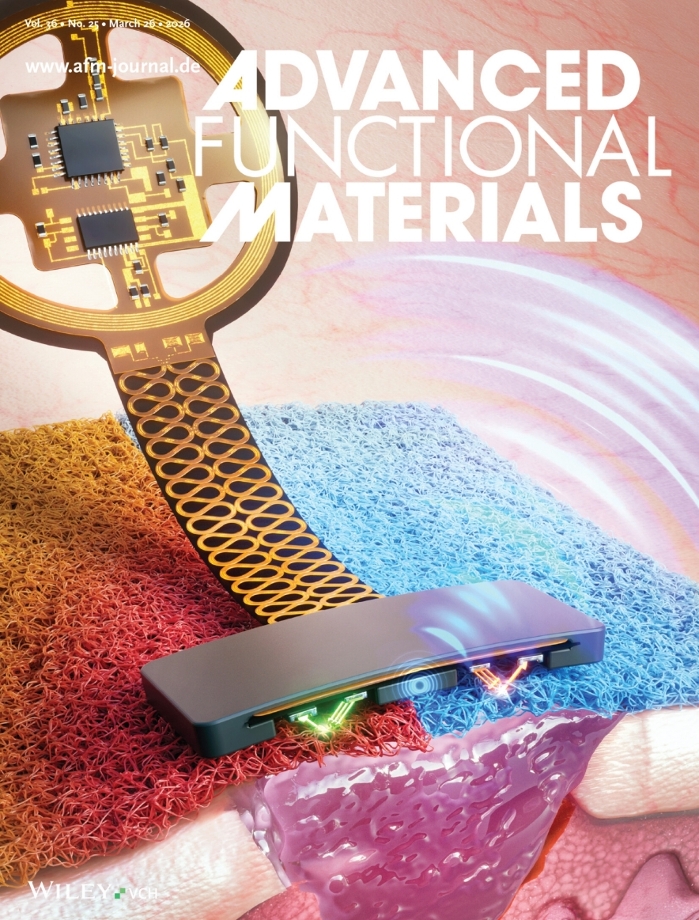
  • Professor Ha Ji-hwan's Research Team at Hanbat National University Tackles Diabetes and Diabetic Foot with Colorimetric Monitoring... Developing the World's First Wearable Colorimetric Diabetes Sensor- Joint research achievement of Hanbat National University, KAIST, Korea Institute of Machinery and Materials, and California Institute of Technology (Caltech)- Developing wireless and battery-free multi-modal optoelectronic sensor overcoming limitations of colorimetric monitoring method- Proving the possibility of monitoring severe complications such as diabetic diseases and foot ulcers (diabetic foot) for the first time in the world through precise color analysis of changes in glucose and pH concentrations- Succeeding in real-time continuous monitoring only with smartphone wireless communication... expected as a next-generation non-invasive diabetes management platform□ Hanbat National University (President Oh Yong-jun) announced on the 14th that Professor Ha Ji-hwan's research team at the Department of Mechanical Engineering, through joint research with teams from KAIST, Korea Institute of Machinery and Materials, and California Institute of Technology (Caltech), has developed the world's first 'wireless and battery-free multi-modal optoelectronic wearable sensor' capable of monitoring severe complications such as diabetes and diabetic foot in real-time through colorimetric monitoring (color change analysis) of sweat without drawing blood.○ This research was led by Professor Ha Ji-hwan of the Department of Mechanical Engineering at Hanbat National University and Dr. Cho Seok-ju of the Department of Mechanical Engineering at KAIST as co-first authors, and yielded world-class convergence research results with the joint participation of KAIST Endowed Chair Professor Park In-kyu, Principal Researcher Jeong Jun-ho of the Nano-Lithography Research Lab at the Korea Institute of Machinery and Materials, and Professor Wei Gao's team at the California Institute of Technology.□ Conventional sweat-based colorimetric sensors could monitor indicators like acidity (pH) but could not monitor glucose, an indicator of diabetes. Since they required photographing and analyzing the colors that change according to the components with a smartphone camera, they had large errors depending on ambient lighting (brightness, shadows) and could not perform continuous monitoring.○ In particular, there were clear technical limitations in accurately reading the changes in glucose or pH concentrations of diabetic patients at a medical level.□ This research is evaluated as an innovative achievement in that it successfully monitored the progress of diabetic diseases and signs of fatal complications such as diabetic foot (diabetic foot ulcer) non-invasively for the first time in the world using the colorimetric monitoring method.○ The rise in glucose levels and the collapse of skin pH balance in the affected area of the diabetic foot can be tracked and observed 24 hours a day with a single colorimetric cloth in the form of a wound dressing and an optoelectronic sensor, opening the way to issue early warnings and prevent the risk of diabetic foot, which can lead to tissue necrosis.○ It operates without a battery simply by bringing a smartphone close to the sensor, and the measured data of multiple biomarkers (glucose, pH, body temperature, etc.) is transmitted in real-time, allowing patients and medical staff to immediately monitor the condition.□ Professor Ha Ji-hwan of the Department of Mechanical Engineering at Hanbat National University emphasized, "The research, which started to alleviate the pain of diabetic patients who have to prick their fingers with a needle every day, has led to securing original technology capable of preemptively monitoring even fatal diabetic foot complications." He added, "The newly developed colorimetric monitoring-based optoelectronic sensor will become a core technology leading the customized bloodless health monitoring market for various chronic diseases as well as diabetes in the future.□ The results of this research were officially published in 'Advanced Functional Materials (Impact Factor 19.0, Top 4.5% in JCR)', a top-tier international academic journal in the field of materials science, and selected as the front cover paper. (Paper Title: Wireless, Battery-Free, Optoelectronic, Multi-Modal Sensor Integrated With Colorimetric Dressing for Diabetic Ulcer Management)□ Meanwhile, this research was conducted with the support of the Mid-career Researcher Program and Alchemist Project of the National Research Foundation of Korea (NRF) funded by the Ministry of Science and ICT, and the Daejeon RISE Project funded by the Ministry of Education and Daejeon Metropolitan City in 2025.
  • 등록일2026-05-14 09:57:08
Hanbat National University Ranks 7th Globally in Entrepreneurial Culture and Ecosystem Category of 2026 WURI World University Rankings for Innovation 이미지
Hanbat National University Ranks 7th Globally in Entrepreneurial Culture and Ecosystem Category of 2026 WURI World University Rankings for Innovation
  • 작성자기획과
  • 조회수194
  • - Proving competitiveness of global startup ecosystem through diffusion of entrepreneurial culture centered on Business Incubator Center- Selected as 34th in overall ranking rising 17 steps from 51st last Year□ Hanbat National University (President Oh Yong-jun) announced that it ranked 7th globally in the Entrepreneurial Culture and Ecosystem category and was selected as 34th in the overall ranking in the '2026 WURI World University Rankings for Innovation' released on the 7th.○ This achievement in the Entrepreneurial Culture and Ecosystem category was largely driven by the Entrepreneurial Competency Reinforcement Program and Inno-Clinic Program operated by the Business Incubator Center under the Industry-Academic Cooperation Foundation.○ These two programs have focused on encouraging the entrepreneurial spirit of university members and spreading a culture of innovation, exercising a substantial impact on actual industrial fields.□ The WURI World University Rankings for Innovation is a global university ranking system that departs from traditional research-oriented evaluations to evaluate universities based on innovativeness, implementability, and social impact, with 1927 universities from 96 countries around the world participating this year.○ Hanbat National University ranked 7th in the Entrepreneurial Culture and Ecosystem category and 34th overall in this 2026 evaluation, rising 17 steps from last year (51st), and has been listed in the 'Global Top 100 Innovative Universities' for six consecutive years since 2021, gaining international recognition for the university's continuous innovation achievements.○ By category, it entered the TOP 100 in a total of five categories along with the Entrepreneurial Culture and Ecosystem category, ranking 17th in the Inclusive Social Innovation for the Underprivileged category, 54th in the AI-Based Teaching and Learning Innovation category, 67th in the Financial Performance-Centered Technology Transfer category, and 81st in the University-Based Startup Project category.○ In particular, in the AI-Based Teaching and Learning Innovation category, AI agent-based creative problem-solving learning played a key role, which is analyzed to have led to high praise for establishing an environment where students can naturally utilize AI as a learning tool. This category entered the TOP 100 following last year, proving world-class competitiveness for two consecutive years.□ Hanbat National University President Oh Yong-jun stated, "The 2026 WURI evaluation result transcends a simple rise in ranking, proving that Hanbat National University has leaped forward as a global hub of innovative education○ He added, "A culture of entrepreneurship, xss-created and challenged directly by students, is taking root throughout the campus, and with the addition of teaching and learning innovation integrating AI and digital technology, the unique educational competitiveness of Hanbat National University is being reinforced○ He further emphasized, "Hanbat National University will advance as a university that learns through experience, grows through innovation, and competes with the world," adding, "We will strive further to complete our leap into a 'Regional Industry-University-Research Institute Integrated Innovation Platform University'"
  • 등록일2026-05-13 09:51:42
Hanbat National University Was Chosen for the 2026 University AI Basic Curriculum Development Support Project 이미지
Hanbat National University Was Chosen for the 2026 University AI Basic Curriculum Development Support Project
  • 작성자기획과
  • 조회수182
  • □ Hanbat National University (President Oh Yong-jun) announced that it was chosen for the 2026 University AI Basic Curriculum Development Support Project hosted by the Ministry of Education and the Korean Council for University Education.○ This project is promoted to support curriculum development and strengthen instructors' AI education capabilities, ensuring university students acquire the basic competencies to understand and utilize artificial intelligence (AI).○ The project period is until February 2028, and Hanbat National University will receive 300 million won in funding for the first year by February of next year.□ Through this project, Hanbat National University plans to establish an AI basic education system for all students, with the core goal of enabling students to acquire everything from AI literacy to major-based problem-solving skills by operating AI foundational courses and major-linked education in stages.○ In the basic curriculum, Understanding and Utilizing AI will be operated as a university-specialized mandatory course, and practical and ethics-focused courses such as AI Practical Application ⅠⅡ and AI Agents and Fairness will be newly established to prepare a step-by-step AI curriculum.○ Additionally, it will operate a microdegree program combining majors and AI. Centered on humanities and social sciences, it plans to strengthen students' major-based AI utilization capabilities by opening various convergence curricula, including ▲AI-based Global Public Talent ▲AI-based Global Language and Cultural Content ▲AI-utilizing Chinese Language Data Expert.○ AI capacity-building programs for instructors will also be promoted together. It will operate step-by-step training programs focusing on utilizing generative AI and data-based tools, and support AI-based teaching and learning innovation by establishing a cooperation system between engineering and non-engineering faculty.○ Furthermore, it plans to xss-create a practice-oriented educational environment that integrates online learning, practice, and project-based education utilizing educational infrastructure such as the LMS (e-Class Hanbat), AI practice rooms, and the AI Design Center.○ Lastly, it plans to share the AI curriculum through credit exchanges and joint operations with national universities in the Chungcheong region in the future, and spread a university cooperation-based AI education model through KOCW release and performance dissemination.□ Lee Seong-ho, Director of the Educational Innovation Headquarters at Hanbat National University, stated, Through this project, we will equip all students with the basic competencies to understand and utilize AI, and foster talent who will lead future industries through AI convergence education combined with their majors.
  • 등록일2026-04-24 14:48:58
Professor Choi Yoon-seok of Hanbat National University - Chiang Mai University Joint Research Team, Development of Next Generation Supercapacitor Materials  이미지
Professor Choi Yoon-seok of Hanbat National University - Chiang Mai University Joint Research Team, Development of Next Generation Supercapacitor Materials
  • 작성자기획과
  • 조회수172
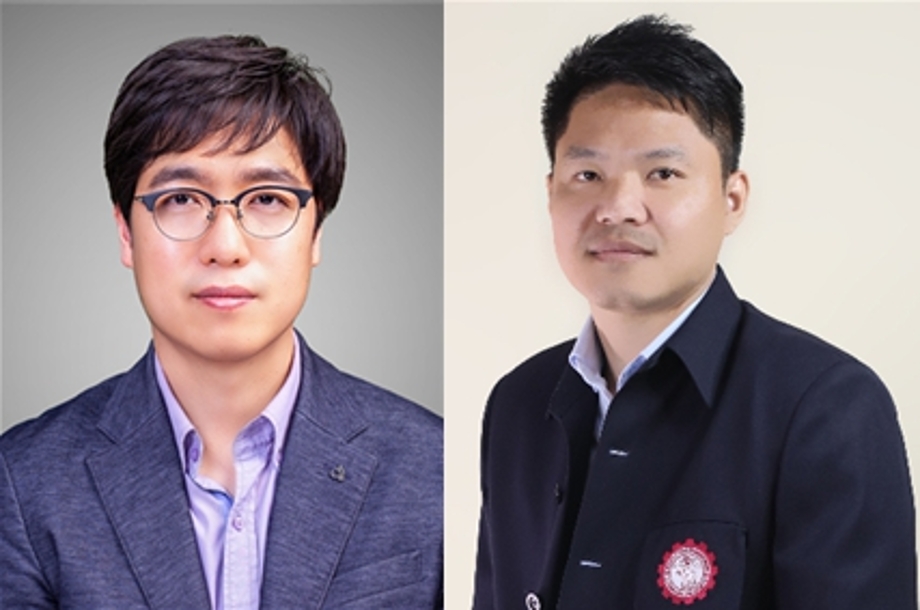
  • Photo description: Professor CChoi Yoon-seuk of Hanbat National University (left) and Professor Y. Mona of Chiang Mai UniversityPhoto description: Microscopic photo of the nanostructure of the new composite electrode material developed by the joint research team (left) and the operation of an LED bulb using the pouch-type next-generation high-speed battery developed by the team (right)- Achieved enhanced energy storage performance supercapacitors by combining Flower-shaped nanoparticles and thin graphene- International joint research achievement based on Global PBL exchanges with Chiang Mai University since 2019□ Hanbat National University announced that the research team of Professor Choi Yoon-seok from the Department of Electronics Engineering developed a fast-charging next-generation supercapacitor through international joint research with a research team from Chiang Mai University in Thailand.○ The research results were published in March in 'Energy Nexus' (Impact Factor 9.5, JCR top 7%), a world-renowned academic journal in the energy field, under the title Enhanced energy storage performance of Cu2SnS3@rGO electrode in pouch-type asymmetric supercapacitors.* Supercapacitor: A next-generation energy storage device that stores less energy than general batteries but has very fast charging and discharging speeds, high output, and a long lifespan.○ To improve supercapacitor performance, attention has been paid to 'copper-tin compounds' capable of storing significant energy, but these materials have drawbacks such as volume expansion during charging and discharging, low electrical conductivity, and short lifespans.□ To solve these problems, the research team of Professor Choi Yoon-seok and Professor Y. Mona from Chiang Mai University utilized 'graphene (reduced graphene oxide)'.○ They developed a new composite material (Cu2SnS3@rGO) by evenly sandwiching copper-tin nanoparticles, made into a fine 'flower-shape' to increase surface area, between thin graphene sheets.○ The graphene acted as a conductor to increase electrical conductivity and as a buffer to suppress the expansion of the copper-tin compound during charging, overcoming the limitations of existing materials.○ The researchers manufactured a 'pouch-type' supercapacitor using this material as an electrode and confirmed advantages such as excellent energy storage capacity, power density, and long lifespan. They also demonstrated that it is ready for immediate application in actual electronic devices through LED bulb operation experiments.□ This international joint research achievement is particularly meaningful as it is a valuable result of the Global Project Based Learning (Global PBL) program, which Hanbat National University and Chiang Mai University have consistently maintained since 2019.○ This program is a creative convergence curriculum where multinational students and researchers form teams to identify and solve locally applicable engineering topics, such as regional problem solving and conceptual approaches. The two universities have successfully operated the program from the 1st Global PBL in 2019 to the 5th program.○ Through these multinational convergence programs, students and researchers from both countries have improved their international cooperation, communication, and engineering design skills. The solid foundation of exchange built over many years naturally led to this large-scale international joint research opportunity.□ Professor Choi Yoon-seok of Hanbat National University said, It is very meaningful that we xss-created a high-performance new material that exceeds the limits of existing battery materials using copper and tin, which can be obtained affordably around us. Above all, the close network with overseas researchers established through Global PBL exchanges served as a strong foundation for this research, and we will continue to foster talent with global leadership and pursue convergence research.□ Meanwhile, the Global PBL program, which served as the basis for this achievement, was operated with support from the National University Promotion Project. The publication of this paper is evaluated as a representative achievement of the international exchange that Hanbat National University and Chiang Mai University have continued for many years.○ Such continuous international exchange is important as it enhances students' global problem-solving and communication skills while strengthening the foundation for research cooperation among faculty, leading to follow-up achievements such as joint papers and projects. Cooperation between the two universities is expected to establish itself as an exemplary international exchange model that develops both education and research together.
  • 등록일2026-04-06 14:42:26